
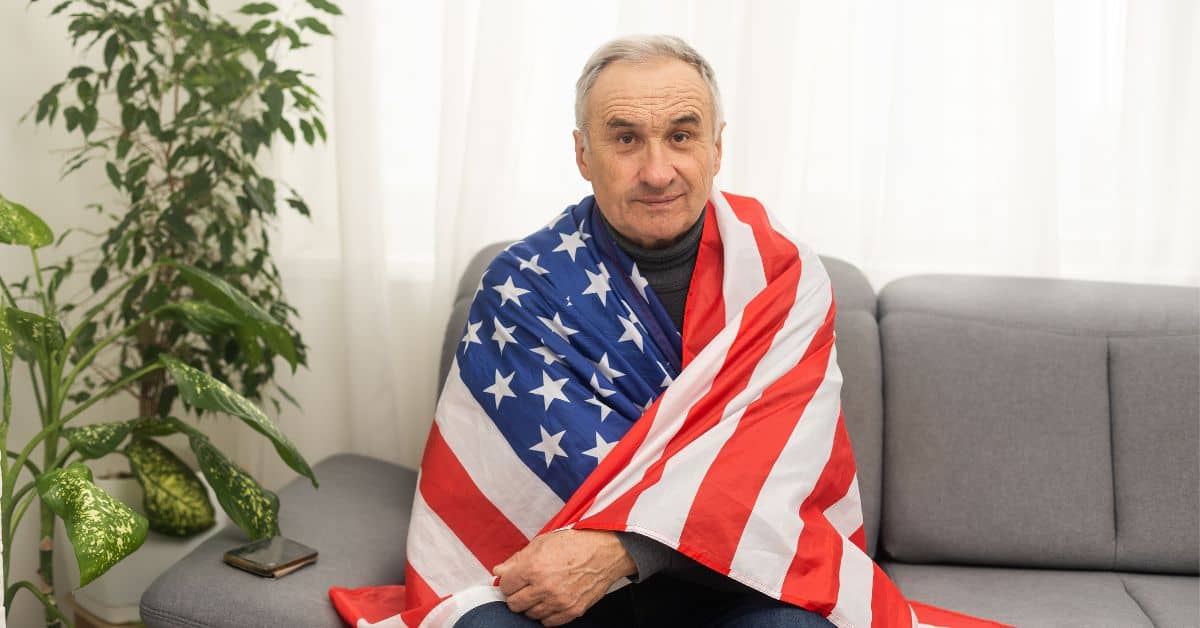
Veterans with dementia face a particular challenge. Their military memories often stay clear while everything else becomes uncertain. For families considering memory care in Golden, CO, this reality opens doors to specialized care approaches that honor service while supporting cognitive health.
Something remarkable happens when veterans with dementia encounter reminders of their military service. Those memories, formed through years of training and shared experience, often remain vivid long after other recollections slip away.
Patriotic sensory activities work because they connect with memories that remain strong—the sound of morning reveille, the weight of dress uniform fabric, the pride felt during ceremonies. These sensory experiences can bring veterans moments of clarity and purpose. This exploration reveals how memory care communities create these meaningful connections, why military memories endure when others don’t and what benefits these programs bring to veterans and their families throughout the Golden area.
Do You Want to Know More About Our Memory Care?Why Military Memories Endure While Other Memories Fade in Memory Care?
When we care for veterans living with dementia, we notice something meaningful: the memories from their military service often remain the clearest and most accessible. While their time in uniform may have exposed them to experiences that affect brain health later in life, those same experiences created memories that endure.
Service members face unique challenges during and after their time in uniform:
- Exposure to blasts and injuries that impact the brain’s memory centers
- Ongoing stress that affects cognitive health over time
- Environmental hazards encountered during deployment
- Higher likelihood of conditions like PTSD and heart disease
Honoring What Remains Strong
Here’s what brings comfort to families: military memories frequently stay vivid and meaningful. The repetition of training, the emotional weight of service and the deep bonds formed create memories that embed themselves differently than everyday experiences.
Creating Meaningful Moments Through Personalized Patriotic Activities
Caring for veterans with memory challenges begins with truly knowing who they are. When our team takes time to learn about each person’s service history—their branch, unit and personal achievements—we create connections that matter. This understanding guides everything from choosing the right music for morning walks to selecting songs that bring comfort rather than distress.
Creating moments of recognition
Music opens doors to memories that remain strong even as others fade. Veterans often light up when they hear:
- Branch anthems and classic melodies from the 1940s and 1960s
- March-tempo rhythms during walking exercises that feel natural and familiar
- Unit songs that spark joy and instant recognition
Simple ceremonies give veterans opportunities to feel proud again. Flag-raising events, pinning ceremonies and moments to share brief readings allow them to reconnect with their sense of purpose while celebrating their service alongside others who understand.
Gentle activities that honor service
Hands-on projects provide calm engagement while celebrating military pride. At Golden Lodge, we create opportunities for veterans to:
- Craft felt poppy pins with easy-to-handle pieces
- Sort colorful buttons or military patches at their own pace
- Place small flags in garden planters throughout our beautiful grounds
Looking through service photographs, handling uniforms or medals and sharing stories connected to meaningful keepsakes brings comfort.
The Real Impact: What Happens When Veterans Experience These Programs
Caregivers witness something remarkable when veterans enter sensory environments. Someone who arrived agitated or confused becomes calm. The transformation speaks for itself.
Creating comfort through the senses
Music, bubble tubes and aromatherapy work together to ease anxiety. Veterans struggling with sundowning or difficult transitions find genuine relief through these gentle approaches. One veteran who once needed extensive support now drifts peacefully to sleep after twenty minutes with sensory equipment.
What makes the difference:
- Calming music that soothes restless minds
- Soft lighting and bubble tubes that capture attention
- Familiar scents that bring comfort
- Environments designed specifically for veterans’ needs
The power of shared experience
Something special happens when veterans connect with other veterans. Those living with dementia engage more actively when surrounded by people who understand their journey. These connections keep minds engaged, reduce stress and create meaning through shared memories and experiences.
At Golden Lodge, we build on this by giving veterans meaningful roles during patriotic activities and community gatherings. Purpose matters deeply—it protects cognitive health and brings dignity to daily life.
Honoring Who They Are
Patriotic sensory therapy respects the unique way veterans experience dementia while creating moments of clarity and connection. When you’re choosing memory care for a veteran loved one, look for communities that document service history and design activities around military memories. Contact Golden Lodge Assisted Living & Memory Care at (720) 605-2111 and learn how these specialized programs offer more than cognitive support; they restore purpose and dignity while honoring the service that shaped your veteran’s identity. The right memory care approach recognizes that military service deserves specialized, respectful care.
Schedule a Tour NowFAQs
Q1. Does the VA provide dementia care for veterans? Yes, the VA provides comprehensive dementia and Alzheimer’s care for veterans throughout their full range of health care services, offering specialized support tailored to veterans’ unique needs.
Q2. What types of sensory activities work best for people with dementia? Effective sensory activities include playing meaningful music, providing objects to touch and interact with, hand massage and personalized playlists. For veterans specifically, military music, memorabilia handling and patriotic ceremonies prove particularly beneficial.
Q3. Why do veterans with dementia remember their military service better than other memories? Military memories often persist because they were formed through repeated training and drill, creating strong procedural memories that embed differently than everyday recollections. These memories remain accessible even as other cognitive functions decline.
[/fusion_text][/fusion_builder_column][/fusion_builder_row][/fusion_builder_container]