
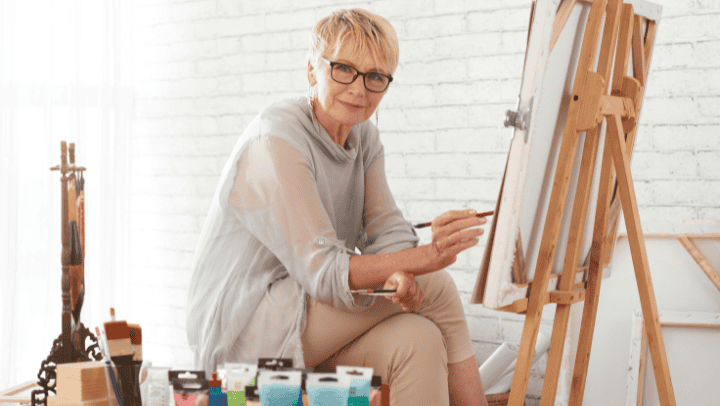
Seniors with memory loss benefit from painting in ways that go beyond creative expression. This gentle art form works on different parts of the brain and helps build cognitive strength and emotional stability. The quiet, focused nature of painting soothes the mind and lowers anxiety levels, which makes it perfect for people dealing with cognitive decline.
Art creates a positive ripple effect in seniors’ lives. They feel more connected to others and less alone. Your loved one doesn’t need to be an expert artist to benefit – even beginners can find deep satisfaction and peace through painting. This creative outlet helps them process the complex emotions that come with memory loss.
Getting Started with Painting
A welcoming art space can transform how your loved one experiences painting as therapy. The right environment makes a huge difference and setting it up takes just a bit of planning and attention to detail.
Natural light works best, so pick a bright spot or add some good lamps to show off colors clearly. Your loved one needs a comfortable chair with proper back support to stay energetic during painting. The workspace should be arranged in a circle or U-shape, which makes it easier to chat and reach supplies.
Here’s what you’ll need to get started:
- Non-toxic watercolors or acrylic paints
- Brushes in various sizes (ergonomic handles work best)
- Sturdy watercolor paper or canvas
- Water containers (different from drinking glasses)
- Paper towels or old cloths for cleanup
- Optional: paint palettes or disposable plates
These practical tips will help create the right environment:
A simple, neat setup works best and won’t overwhelm your loved one. Keep materials close by and add color labels if needed. Blue masking tape around the paper edges really helps people who have trouble seeing clearly.
Soft music in the background creates a peaceful mood. Brushes with thicker handles can help if motor skills are declining. Note that keeping the same setup location helps reduce anxiety through familiarity.
Watercolors make a great starting point since they flow smoothly on paper and work well with larger movements. As confidence grows, you can try new materials and techniques based on what interests them.
Making Painting Part of Daily Life
Daily painting routines help reduce anxiety and agitation while giving a sense of accomplishment. Seniors experience better cognitive stimulation and improved focus through regular art activities. Studies show that painting leads to better attention spans and increased feelings of pleasure compared to other well-laid-out activities.
Here are some ways to make painting part of your loved one’s day:
- Start with short, 5-minute sessions and slowly increase duration based on comfort level
- Pick quiet times when your loved one feels most alert and receptive
- Set up materials ahead of time to create an inviting, distraction-free environment
- Celebrate every artistic effort and focus on the process rather than the final product
Painting becomes more meaningful through social interaction. Group art sessions create opportunities for non-verbal communication and casual conversation that help seniors feel valued and appreciated. This social aspect becomes especially beneficial as participants get more involved over time, both in individual sessions and across multiple meetings.
These practical tips will give you optimal results:
- Use non-toxic paints and adaptable materials like aqua paints that need only water
- Get brushes with ergonomic grips for easier handling
- Think over adjustable desk easels if space is tight
- Keep supplies organized and easy to reach
The secret lies in staying consistent while remaining flexible. Some days might need structured activities like paint-by-numbers, while other times, a free-form expression might work better. Note that the goal isn’t artistic perfection but rather involvement and enjoyment.
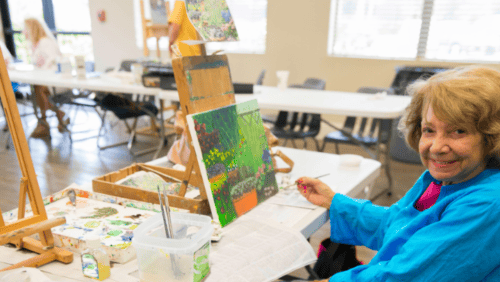
Building Confidence Through Art
Art therapy helps seniors with dementia in ways that go way beyond just painting. Research shows that creative activities build self-esteem, spark motivation and create stronger social bonds. Seniors find a special way to express themselves through art. They can share thoughts and feelings that words might not capture easily. Each painting gives them a fresh sense of identity and purpose, while the finished artwork reminds them of what they can achieve.
Art therapy builds confidence and emotional well-being in several ways:
- Self-Worth Grows: Finishing an art project creates a deep sense of achievement that shows seniors they can still make meaningful contributions
- Emotions Flow Freely: Creative work reduces anxiety and depression by giving a healthy way to process complex feelings
- Personal Control: Artistic choices strengthen seniors’ ability to make decisions and feel more in control of their surroundings
Art therapy connects with seniors beyond memory loss to bring out their creativity and emotions. The experience becomes meaningful, especially when seniors find they can still learn, grow and connect with fine art despite memory challenges.
Finding Purpose
Memory care becomes easier when seniors can express themselves and find purpose. Painting gives them this outlet while building their confidence and promoting social bonds. Art activities can boost your loved one’s quality of life by a lot – whether they show early signs of memory loss or need detailed care.
Want to learn more about our memory care community in Golden Lodge, CO, and how we welcome creative expression? Contact us at (720) 605-2111 to learn more about Golden Lodge and schedule a tour!