
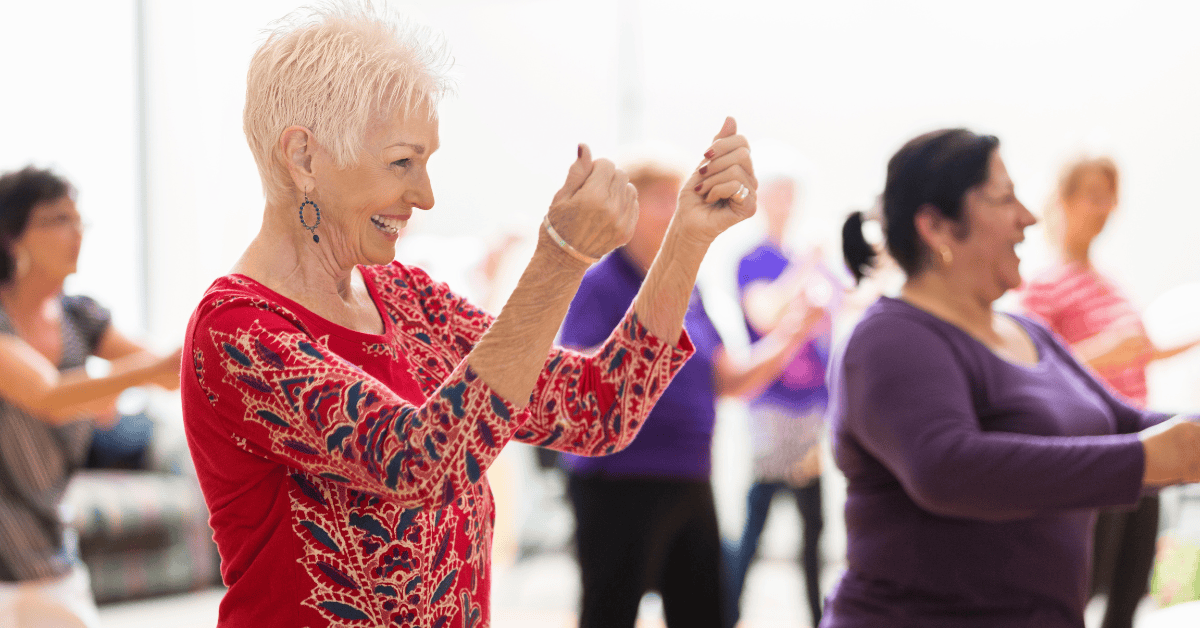
Dance for Senior Health
Seniors who embraced waltzing showed better heart health than peers who chose biking or treadmill walking. Dancing offers remarkable health advantages beyond heart benefits that many people overlook. These unexpected benefits particularly help residents in assisted living in Golden, CO, enhance their daily lives and overall wellness and deliver powerful health benefits well beyond the joy of movement and social connection.
Your body responds to dance with remarkable physical improvements – better muscle tone, increased strength and enhanced flexibility happen naturally through regular movement. Dance challenges your brain while improving balance, something especially important for preventing dangerous falls. The emotional side matters too – dance therapy works as a whole-person approach to wellbeing, releasing feel-good endorphins that ease stress and worry.
Surprising Health Benefits of Dance You Might Not Expect
-
Boosts immune system response
Your immune system actually strengthens through regular dance activities. Research comparing Tai Chi and Square dance in older adults found both significantly improved immune function markers. Dance exercise increased levels of immunoglobulin G (IgG), interleukin-2 (IL-2) and enhanced natural killer (NK) cell activity. When researchers combined aerobic dance with proper nutrition, participants showed significant increases in T cytotoxic (CD8) cells, with the highest percentage increase in total lymphocyte counts.
Why this matters: Your stronger immune system fights off illnesses and infections more effectively—especially valuable in community living environments where germs spread easily.
-
Improves sleep quality in older adults
Sleep problems plague many seniors, yet dance provides a natural remedy. Recent studies found a 16-week aerobic dancing program significantly improved sleep quality for older adults with mild cognitive impairment and sleep difficulties. The dance group experienced better general sleep quality, fell asleep faster, slept longer and enjoyed more efficient sleep compared to non-dancers.
Dance also helps regulate your body’s natural sleep-wake rhythms. The pleasant physical activity paired with enjoyable movement creates ideal conditions for restful nights.
-
Supports bone density and reduces osteoporosis risk
One of dance’s most valuable yet overlooked benefits involves your bone health:
- Dance ranks among the most effective activities for fighting osteoporosis risk
- Female senior dancers with osteoporosis showed significant increases in lumbar bone density after 12 months
- Square dancing combined with calcium supplementation increased bone density in the tibia and heel by 22% and 29%, respectively, for postmenopausal women
Strong bones help assisted living residents prevent fractures and maintain independence. The weight-bearing aspects of dance stimulate bone-forming cells, fighting against age-related bone loss.
Dance forms for seniors also include social elements that reduce isolation—making dance not just physically beneficial but emotionally uplifting too.
Adding dance programs to assisted living communities supports wellness across multiple dimensions at once.
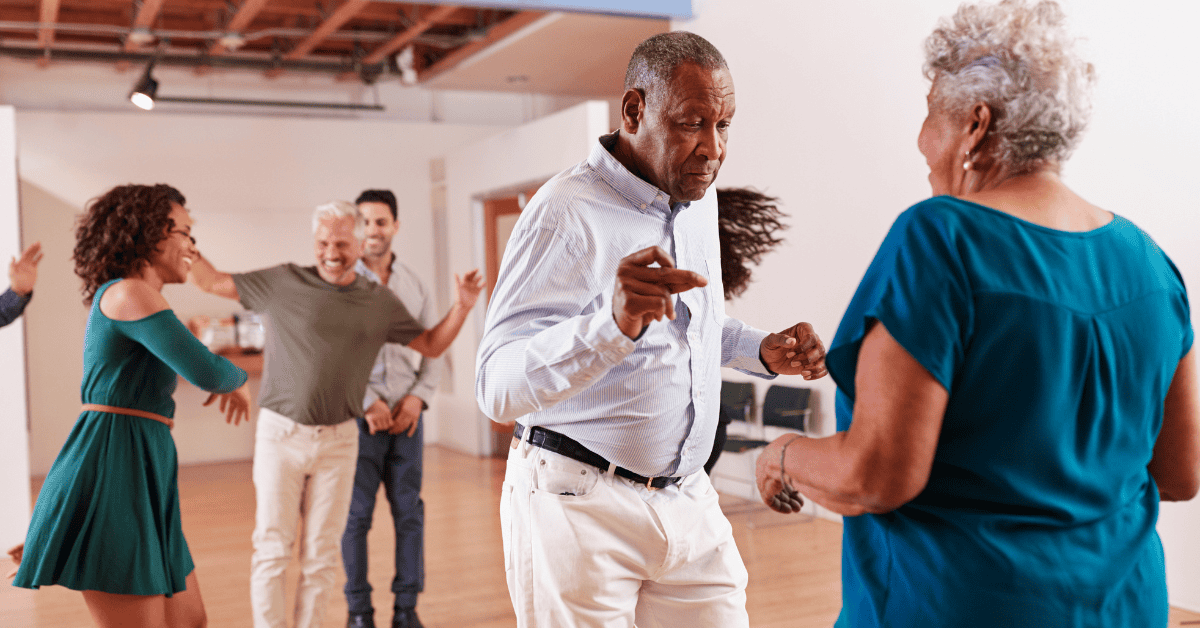
Emotional Wellness Dance Techniques for Seniors
Dancing connects your body and mind, unlike almost any other activity. Seniors find emotional wellness dance techniques offer gentle yet powerful ways to process the complex feelings that come with aging.
Expressive movement for emotional release
Words sometimes fail us, but movement speaks when language cannot. Expressive dance creates a non-verbal channel for emotions that resist articulation. Research shows seniors participating in creative dance experience emotional release that helps them cope with pain and stress. Dancing gives voice to feelings when words fall short:
- Emotional validation – Dance acknowledges feelings that might otherwise stay buried
- Stress reduction – Physical movement naturally lowers cortisol levels, easing anxiety
- Joy cultivation – Rhythm awakens positive emotions and creates peace of mind
Senior Dance Joy and Longevity in Assisted Living
Dance floors across senior communities now serve as vibrant centers of joy, purpose and extended vitality. Dance gives seniors:
- A wonderful reason to dress up and socialize
- A consistent activity to anticipate with excitement
- A natural way to maintain cultural connections
- A genuine sense of accomplishment and growth
Surprising Dance Benefits Beyond the Steps
Dance offers seniors far more than mere entertainment – it serves as a genuine health tool. The evidence speaks clearly: dancing uniquely strengthens muscles, sharpens minds and nourishes souls all at once.
Many people assume high-impact workouts produce better results, yet research shows gentle, enjoyable activities like dancing actually work better for senior health.
Dance offers a path forward whether you want better heart health, sharper thinking or simply more daily joy. Call Golden Lodge at (720) 605-2111 to schedule a tour and see firsthand. Remember – your body was made to move and dancing might be the most enjoyable way to honor that design while adding quality and quantity to your life.
FAQs
Q1. What are some surprising health benefits of dancing for seniors?
Dancing offers numerous unexpected health benefits for seniors, such as improving sleep quality and supporting bone density. Regular dance activities can strengthen immune function markers, enhance sleep duration and efficiency and significantly increase bone density, particularly in those with osteoporosis.
Q2. What dance styles are most beneficial for seniors?
While most dance forms offer benefits, some styles are particularly effective for seniors. Ballroom dancing improves coordination and weight shifting, Tai Chi with music enhances postural stability and folk dancing increases spatial awareness. For those with mobility limitations, chair dancing provides accessible balance benefits through upper body movements and seated weight shifts.
Q3. How can dance be integrated into assisted living environments?
Many assisted living communities now incorporate varied dance programs into their daily routines. These can range from volunteer dance performances to regular dance classes tailored to different ability levels. Dance activities provide structure, socialization opportunities and a sense of purpose for residents. They also offer a chance for cultural connection and skill-building, contributing to overall well-being and longevity in assisted living settings.
[/fusion_text][/fusion_builder_column][/fusion_builder_row][/fusion_builder_container]