
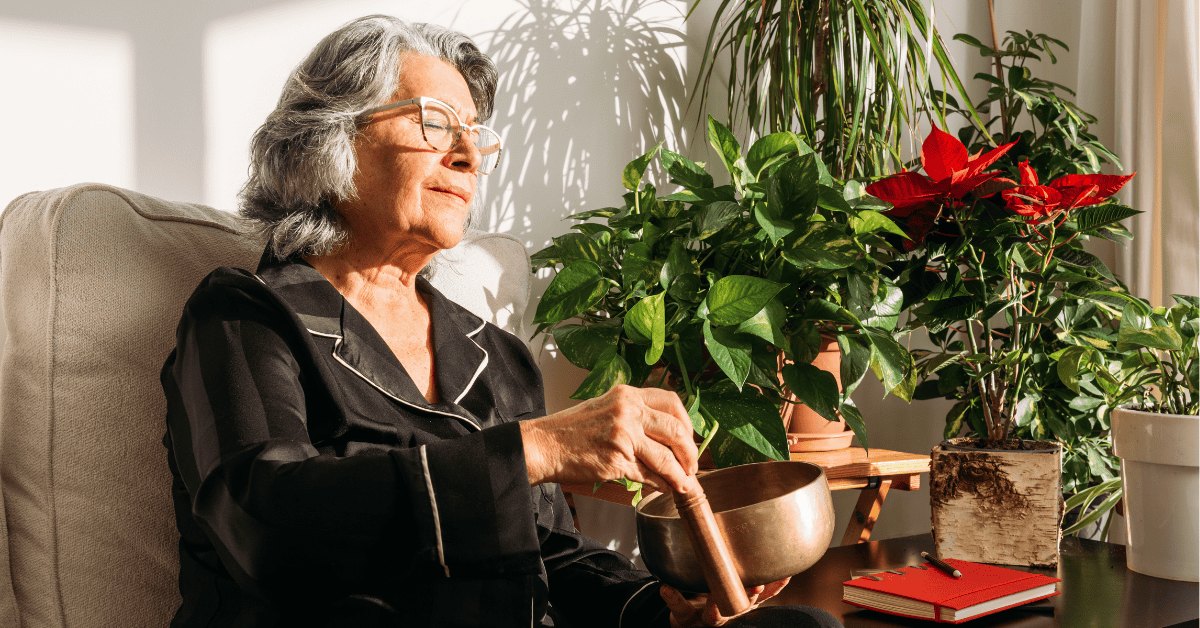
The transition from summer’s warmth to autumn’s cooler days can feel overwhelming for seniors, particularly those facing memory challenges. You know that feeling when familiar routines shift and everything seems just a bit more uncertain? That’s exactly what many seniors experience during seasonal changes. Mindfulness offers something different. Rather than relying solely on medications or complex interventions, this gentle practice helps seniors reconnect with the present moment. What’s particularly encouraging is that regular practice can strengthen the hippocampus, the brain’s memory center. Some research even suggests that consistent meditation may slow the progression of conditions like Alzheimer’s and dementia.
This approach matters because it recognizes something important: seniors don’t need to simply endure seasonal changes. They can learn to move through them with greater peace and confidence.
Why Mindfulness Matters After Summer
Post-summer transitions and mental health
Summer’s end brings more than just cooler weather. Many seniors experience what experts call “end-of-summer blues”—a real emotional response that triggers sadness, nostalgia and a deep sense of loss. Those warm, carefree days give way to cooler, more structured routines and the shift can feel profound. For residents in memory care, these seasonal changes create particular challenges. Reduced sunlight exposure doesn’t just affect mood—it disrupts sleep patterns and can intensify feelings of confusion or disorientation.

Why seniors may feel more anxious or disoriented
Several factors converge to create post-summer anxiety:
- Reduced social interaction – Families return to school and work routines, making visits to elderly relatives less frequent
- Physical limitations – Cooler weather makes outdoor activities more challenging
- Routine disruptions – Changes in daily schedules prove particularly unsettling for those with cognitive impairments
How mindfulness supports seasonal adjustment
Rather than leaving seniors to struggle through these transitions alone, mindfulness offers genuine support. Research demonstrates that mindfulness-based interventions create significant benefits for older adults, with substantial positive effects on anxiety, depression, stress and pain acceptance. The beauty of mindfulness is in its simplicity. These techniques help seniors stay grounded in the present moment instead of worrying about seasonal changes they cannot control. Studies confirm that consistent mindfulness practice leads to better mental health outcomes.
Simple Mindfulness Activities for Daily Routines
-
1-minute breathing exercises
Sometimes the most powerful practices take the least time. A single minute of focused breathing can shift your entire mood, especially during those moments when anxiety starts to creep in. Find a comfortable spot—your favorite chair works perfectly. Loosen anything that feels tight around your chest or waist. Now, breathe naturally into your belly, letting it rise and fall without forcing anything. Some people like counting to five on each breath, while others prefer simply feeling the air move in and out.
-
Mindful walking in garden areas
Walking doesn’t have to be just about getting from one place to another. Turn your daily stroll into a gentle meditation that connects you with the world around you. Feel your feet as they touch the ground. Notice the rhythm of your steps, the way your arms swing naturally at your sides. What do you hear? Maybe leaves rustling overhead or birds calling to each other. This simple shift in attention can improve your balance while creating a deeper sense of connection with nature.
-
Guided meditation with music
New to meditation? Guided sessions with gentle music can feel like having a kind friend walk you through the process. Many apps and online resources offer meditations designed specifically for seniors, addressing concerns like sleep difficulties or managing discomfort.
-
Sensory awareness using touch and smell
Your senses can be wonderful teachers. Spend a few minutes outdoors feeling different textures—the roughness of tree bark, the softness of grass, the smoothness of river stones. Each texture sends signals to your brain, potentially awakening memories and improving cognitive function.
-
Mindful eating during meals
Mealtimes become richer when you slow down and truly taste your food. Before taking that first bite, pause to appreciate the colors and aromas on your plate. Chew slowly, noticing how flavors change as you eat. Feel the texture, the temperature, the way different foods make you feel. This practice not only enhances enjoyment but can also improve digestion and help you feel more satisfied with smaller portions.
Each of these activities offers a doorway into greater peace and awareness. Start with whichever feels most appealing to you and remember—there’s no perfect way to practice mindfulness. The goal is simply to be present with whatever you’re experiencing.
Creating a Meaningful Difference
Whether it’s taking a few mindful breaths during lunch or walking slowly through a garden, these small moments can create profound shifts in how seniors experience their days. For seniors and their families, this represents hope grounded in practical action. Start where you are, with what you have and trust that even small steps toward mindfulness can make a meaningful difference. Contact us at (720) 605-2111 to learn more about Golden Lodge, our memory care community in Golden, CO.
FAQs
Q1. How can mindfulness help seniors after summer?
Mindfulness can help seniors adjust to post-summer transitions by reducing anxiety, improving memory retention and supporting emotional regulation. It helps seniors stay grounded in the present moment, reducing stress and improving overall well-being during seasonal changes.
Q2. What are some simple mindfulness activities for seniors?
Simple mindfulness activities for seniors include 1-minute breathing exercises, mindful walking in garden areas, guided meditation with music, sensory awareness using touch and smell and mindful eating during meals. These activities can be easily incorporated into daily routines.