
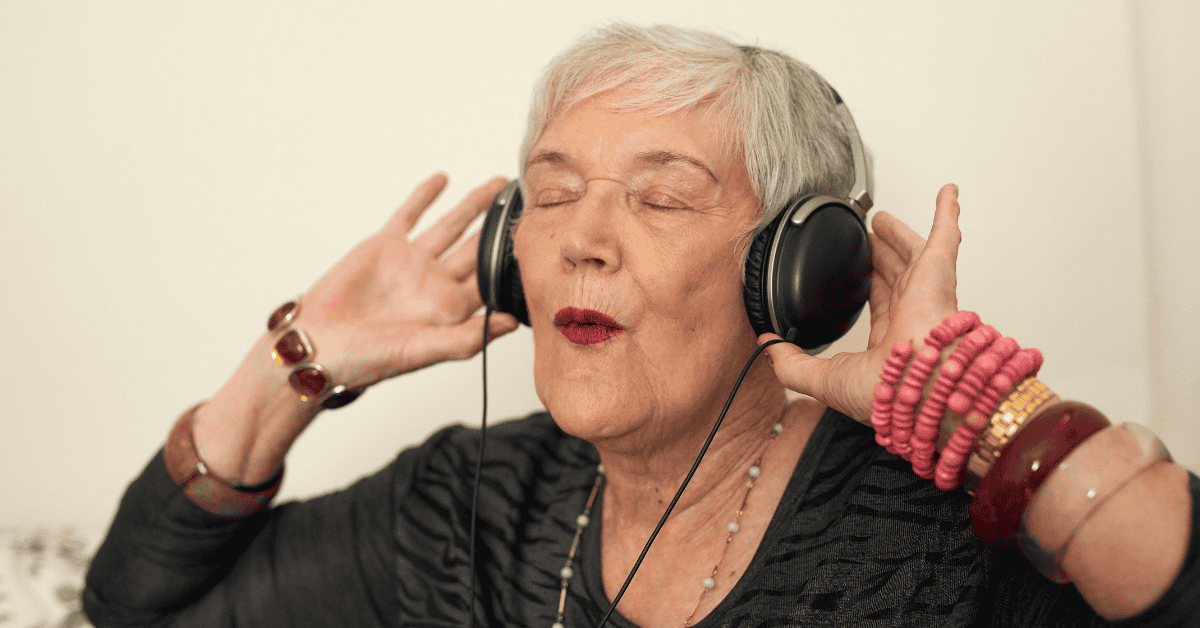
Families considering a memory care community in Golden, CO, for a loved one can often feel overwhelmed by the decisions ahead. Yet among the many therapeutic approaches available, music stands out as something truly special for those living with dementia in memory care.
Music therapy for memory loss has gained remarkable momentum over recent decades. This approach doesn’t just address cognitive symptoms – it touches every aspect of wellbeing: physical, emotional and social.
How Music Therapy Works in the Brain
Something remarkable happens when someone with dementia hears a familiar song. Even as other cognitive abilities fade, the brain’s relationship with music often remains surprisingly strong.
Music and memory: what stays intact
The brain treats music differently from almost everything else. Even as Alzheimer’s disease progresses, musical perception, emotion and memory often survive long after other forms of memory and cognitive function have deteriorated. This happens because music activates multiple brain regions simultaneously. Someone who can no longer remember what they had for breakfast might still sing every word to a song from their wedding day.
Why rhythm and melody matter
Rhythm and melody work like keys that unlock different parts of the brain:
- Rhythm creates a structure that helps with memory retrieval and organizing thoughts
- Melodic elements wake up the brainstem reticular system and attention networks
- The repetitive patterns in music help regulate brain function and engage neural pathways
The science behind emotional recall
Perhaps the most powerful aspect of music therapy lies in its emotional impact. Music engages the brain’s emotional and memory centers, including the limbic system and subcortical circuits, creating genuine feelings of well-being. These emotional connections make music-evoked autobiographical memories remarkably vivid and accessible. The brain science behind this gives us hope. The anterior hippocampus handles both music-evoked emotions and autobiographical memory. This overlap might explain why music can facilitate memory recall so effectively. Add to this the dopamine release that familiar music triggers – the brain’s natural “feel-good” chemical – and you have a powerful tool for emotional regulation and memory connection.
Types of Music Therapy
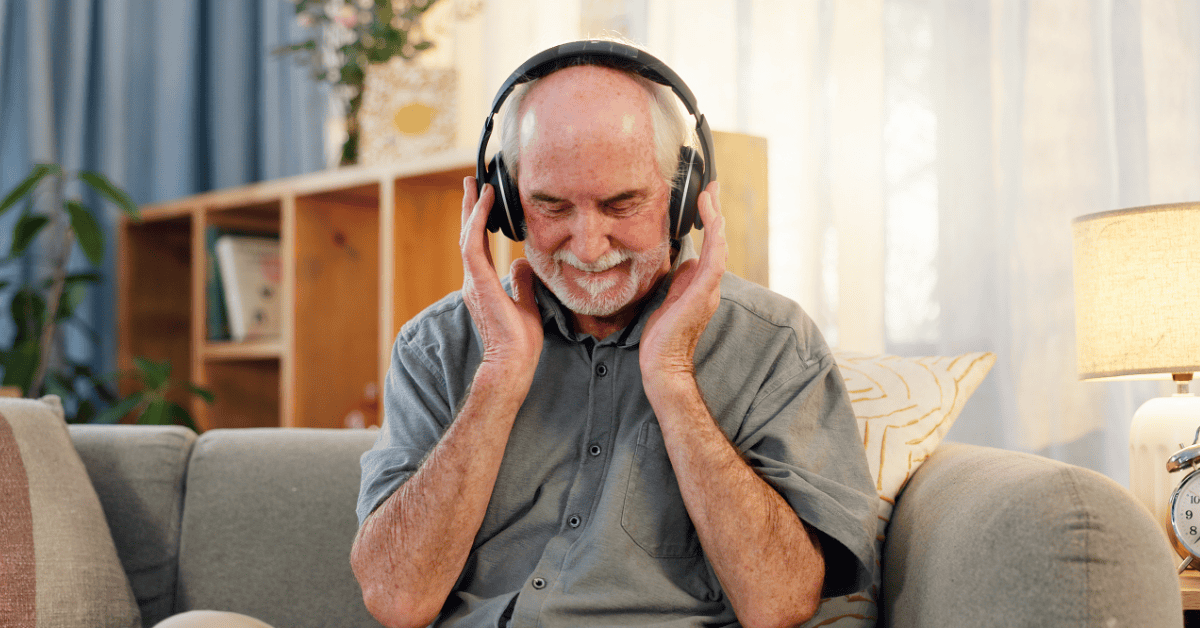
The right music therapy approach can unlock different pathways to connection for your loved one. Each method offers distinct advantages and understanding these differences helps families make informed choices about care options.
Receptive listening vs. active participation
Some individuals find peace through receptive music therapy, where they simply listen to carefully selected live or recorded music. This gentle approach focuses on relaxation and emotional regulation, particularly beneficial for those with advanced dementia who may feel overwhelmed by more demanding activities. Active participation invites individuals to create music themselves through singing, playing instruments or movement.
Group singing and movement sessions
Group activities build meaningful social connections while exercising cognitive skills. These sessions create a sense of belonging among residents, helping combat the isolation that memory challenges can bring. The shared experience of making music together often sparks joy and laughter that individual sessions may not achieve. Movement paired with music serves a dual purpose – it maintains motor skills through simple actions like clapping, swaying or gentle dance steps while providing appropriate physical activity.
Personalized playlists and their impact
Nothing quite matches the power of familiar music from someone’s past. Customized playlists built around individual preferences and life history can trigger remarkable emotional responses and memories. These carefully curated selections often transport people back to significant moments from their younger years, creating bridges to their authentic selves.
Instrumental engagement and rhythm games
Simple percussion instruments provide tactile stimulation that many find deeply satisfying. Drums and rhythm sticks help improve coordination and focus, while shakers and bells offer sensory feedback even for those with limited dexterity. The physical act of creating sound can be tremendously empowering. Rhythm games add an element of playful challenge through pattern recognition and call-and-response activities. What makes rhythm particularly valuable is its accessibility – even when verbal abilities decline, most people can still feel and respond to musical beats, offering a communication channel that transcends words.
Genuine Hope
Music therapy represents more than just another treatment option – it offers genuine hope for families navigating the challenges of memory care. What makes this approach so remarkable is how it reaches the person your loved one still is, even when dementia has changed so much else.
For families considering memory care options, we invite you to call (720) 605-2111 to schedule a tour of Golden Lodge. Perhaps most importantly, music reminds us that the essence of who someone is doesn’t disappear with dementia. Those precious moments when a song brings back a smile, a memory or a sense of peace – these aren’t small victories.
FAQs
Q1. How does music therapy benefit memory in individuals with dementia?
Music therapy activates multiple brain regions simultaneously, helping individuals access memories and emotions that might otherwise seem lost. The rhythm and melody of music can improve memory recall, enhance cognitive function and provide a form of communication when verbal skills decline.
Q2. Are there different types of music therapy for memory care?
Yes, there are various approaches to music therapy in memory care. These include receptive listening, active participation, group singing and movement sessions, personalized playlists and instrumental engagement.