Meaningful activities shape more than just daily schedules at assisted living in Golden, CO—they become the foundation for seniors’ health and happiness. The programs your loved one encounters during this transition will directly influence their mental clarity, confidence and sense of purpose.
The right assisted living community transforms the senior years from passive care into an active journey of continued learning, skill-building and personal fulfillment through thoughtfully designed programs that honor each resident’s potential for growth.
This guide examines how thoughtful programming in senior communities fights off apathy, supports brain health and opens doors to continued learning. Rather than settling for passive care, these programs champion active participation—helping you or your loved one keep growing during this meaningful life chapter.
Which Types of Lifelong Learning Classes are Proven to Build Skills and Confidence at Assisted Living?
Lifelong learning opportunities create the heart of exceptional assisted living programs, offering seniors engaging paths to develop new abilities, no matter their starting point. Several evidence-based classes have delivered outstanding results for boosting both confidence and cognitive function among older adults.
Creative arts and crafts
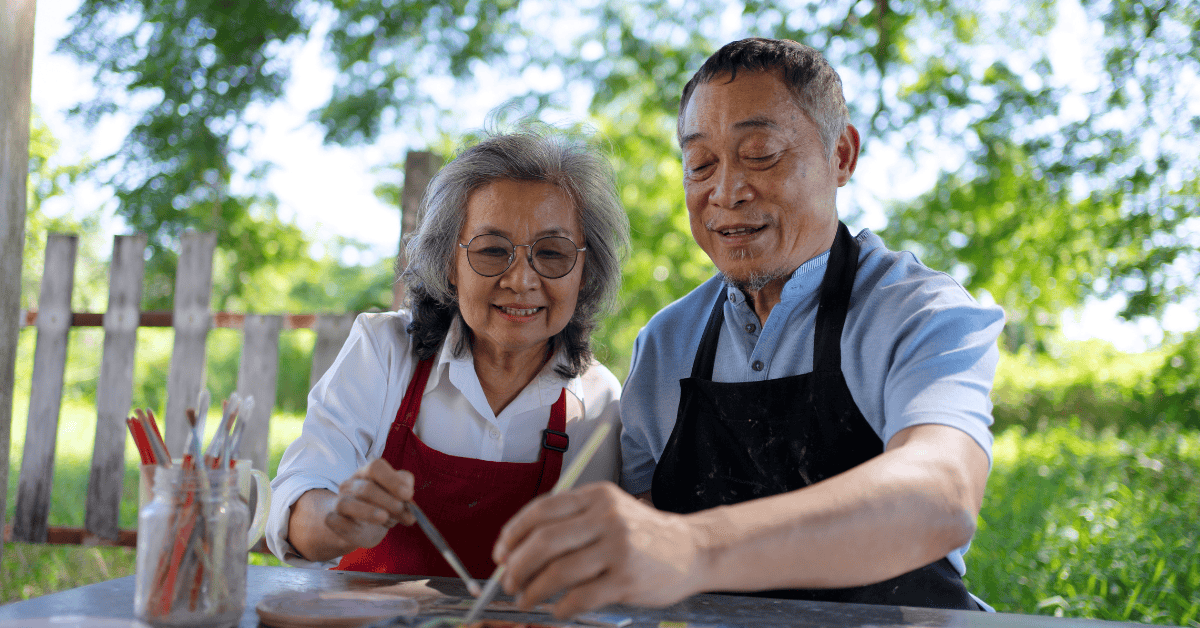
Research suggests that art activities work as powerful brain training for seniors (Krueger et al., 2025). Painting demands spatial awareness, knitting requires pattern following and even simple coloring exercises require executive functions while keeping the mind sharp. Completing art projects brings positive emotional rewards, lifting self-esteem for seniors who might feel diminished by loss or reduced independence.
Language and cultural learning
Foreign language study delivers significant cognitive advantages for seniors, strengthening memory, attention and executive functions while potentially slowing cognitive decline. Language learning improves working memory and enriches life through better travel experiences and communication. Learning a foreign language helps older adults’ cognition by activating extensive linguistic networks.
Cooking and nutrition workshops
Culinary workshops offer seniors far more than basic nutrition education. The social rewards extend past the classroom—participants take home recipes to share with family and grandchildren, building intergenerational bonds. Cooking together fosters social connections, giving seniors chances to connect with others and develop new friendships. These workshops also promote healthy eating by teaching nutritious meal preparation.
Music appreciation and performance
Music activities deliver remarkable cognitive benefits through programs crafted specifically for seniors. Music appreciation classes explore various genres, examining history and influential musicians while stimulating cognitive abilities and encouraging meaningful social interactions. Music serves as more than entertainment—it becomes a powerful tool for reducing isolation and building social bonds within senior communities.
Why Does Structure and Routine Matter So Much for Older Adults?
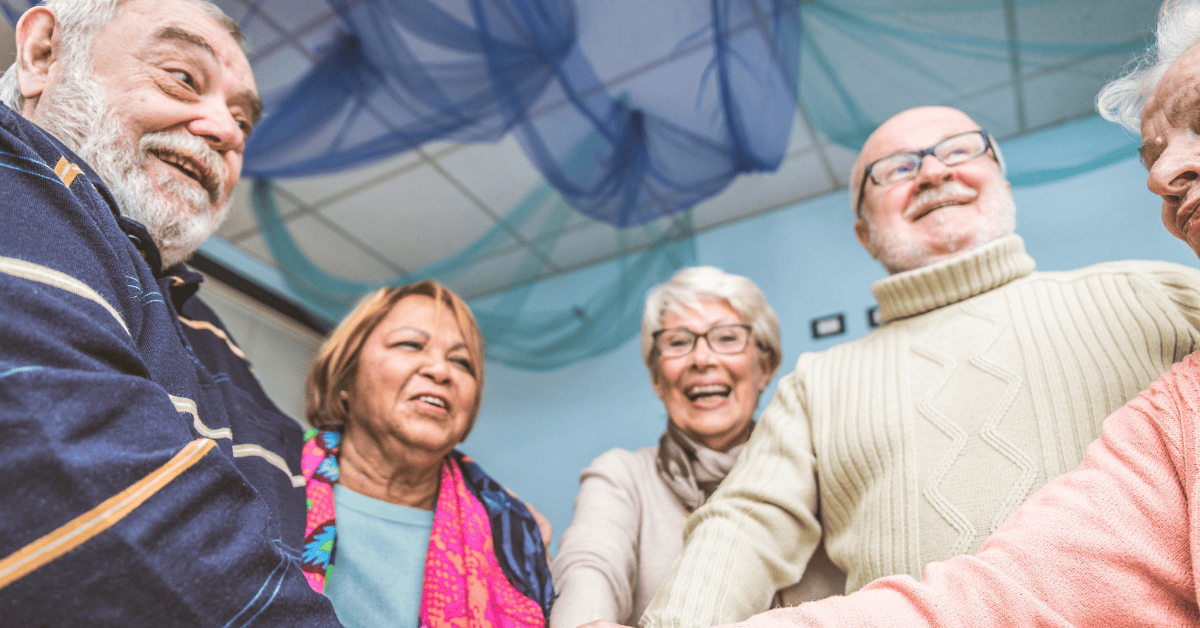
Predictable patterns create the bedrock of emotional and mental wellness for seniors. When life brings major transitions, these daily rhythms become lifelines for maintaining self-esteem and purpose.
What science tells us about routine and brain health
Daily routines and cognitive health share a connection that researchers can’t ignore. Your body responds to routines in ways that extend far beyond habit. These patterns help regulate your internal clock, which means better sleep and steadier moods. When daily activities follow a predictable flow, your brain doesn’t waste energy on constant decision-making. Instead, you can direct that mental power toward activities that truly matter.
Programs that fight loneliness and apathy
Structured daily activities tackle a serious problem head-on. Quality programs address loneliness through several key approaches:
- Group activities that naturally build relationships
- Shared meals that spark conversation
- Team-based recreation that creates bonds
- Wellness activities that foster mutual support
When seniors help plan their own schedules, something powerful happens. Their confidence grows and they feel more in control of their lives—both essential for emotional health.
The Time to Thrive
Assisted living programs represent something much deeper than scheduled activities—they become pathways to renewed purpose and personal fulfillment. The senior years deserve to be filled with growth and discovery, not simply managed through basic care routines.
Ready to explore what this kind of supportive environment could mean for you or your loved one? Call (720) 605-2111 to learn more about our community, Golden Lodge. Discover our approach to resident growth and the specialized programs that help seniors thrive during this important chapter.
FAQs
Q1. What kinds of activities build confidence in seniors?
Activities like arts and crafts, cooking classes, music sessions, language learning and other creative or social programs can help seniors boost their confidence. These activities are designed to keep the mind active, encourage social interaction and give residents fun ways to express themselves.
Q2. How do structured routines help seniors in assisted living?
Having a daily routine can make a big difference for seniors. It helps reduce anxiety, supports clearer thinking and gives their day a sense of purpose. Predictable schedules also improve sleep patterns and help residents feel more grounded and less isolated.
Q3. Why are lifelong learning programs so beneficial for seniors?
Lifelong learning keeps the mind engaged. When seniors take part in classes or workshops, they often notice improvements in memory, confidence and overall mood. These programs offer a great way to stay mentally sharp, learn new skills and build meaningful social connections—no matter their age.