
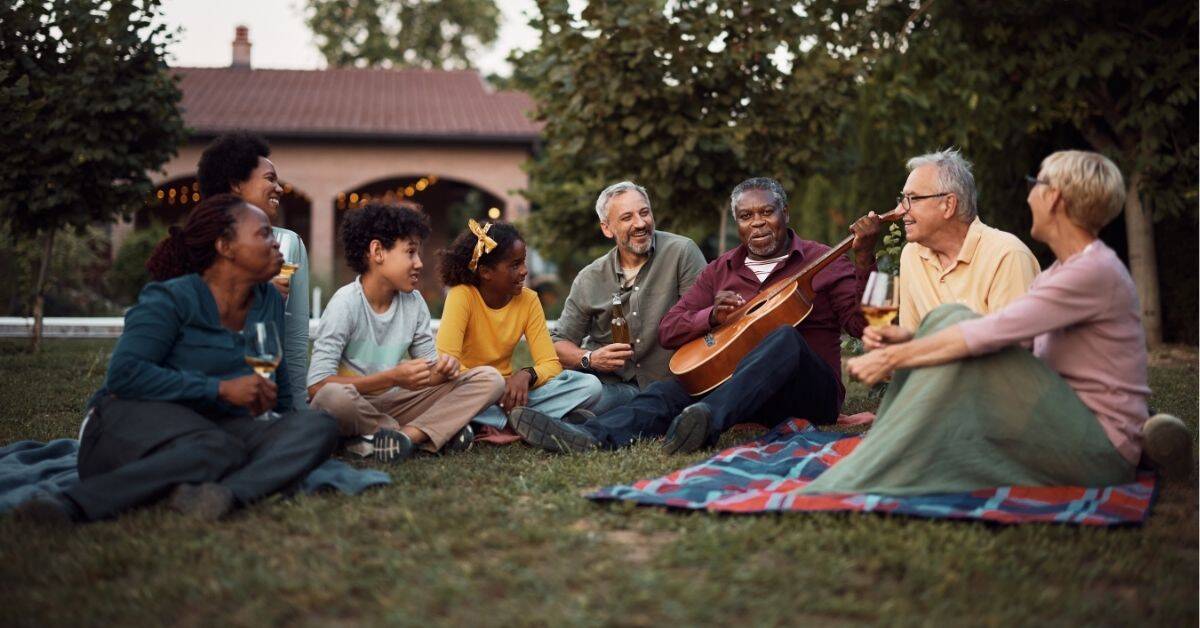
Something remarkable happens when familiar melodies reach the ears of someone with dementia. A beloved song from decades past can spark recognition, bring smiles and even inspire people to sing along. Dementia care in Golden, CO, has embraced music therapy as more than just entertainment; it’s become a pathway to accessing emotions and memories that seemed unreachable.
Valentine’s Day presents the perfect opportunity to harness music’s therapeutic power, transforming potentially challenging moments into occasions for genuine emotional connection that transcends the limitations imposed by cognitive decline.
Through this blog, you will see how music therapy acts as a powerful “key” to unlocking memories and emotions for seniors with dementia. Discover how the Golden Lodge community uses personalized Valentine’s Day playlists—focusing on the “reminiscence bump” of ages 15–25—to trigger oxytocin release, lower stress and create profound emotional connections that transcend cognitive decline.
What Makes Valentine’s Day Special For Musical Dementia Care?
Valentine’s Day offers something unique for families caring for loved ones with dementia. The holiday’s focus on love and connection creates natural opportunities to reach people who may seem distant or disconnected. Music becomes especially powerful during this time, offering pathways to emotional memories that often remain when other recollections have faded.
Love songs as emotional anchors
The songs that soundtracked someone’s romantic life hold incredible staying power. Wedding dances, first date favorites and melodies from courtship years often survive even when recent memories slip away. These aren’t just background music—they’re emotional anchors tied to some of life’s most meaningful moments.
Music-evoked autobiographical memories carry more emotional weight and specificity than other types of recall (Harvey, 2020). The songs from ages 15-25—what researchers call the “reminiscence bump”—prove exceptionally durable. These melodies can bring back not just the tune, but the feelings, the setting, even the person they were with when that song played.
Music, bonding hormones and emotional connection
When you hear music that holds deep personal meaning, your brain’s reward system springs to life, engaging key emotional processing centers like the nucleus accumbens and the ventromedial prefrontal cortex. These neurochemical responses create genuine moments of connection, making Valentine’s Day musical experiences particularly meaningful for strengthening bonds between residents and their families.
Gentle healing for heart and mind
Music offers more than emotional benefits—it actually supports physical health in ways that feel perfect for a day dedicated to matters of the heart.
- Increased oxytocin levels
- Lower heart rate
- Cardiovascular health
- Stronger immune function
- Reduced inflammation
- Better blood pressure control
- Lower stress hormone levels
Your Step-By-Step Guide To Creating A Musical Valentine’s Day
Planning a musical Valentine’s Day for someone with dementia doesn’t need to feel overwhelming. The moments of connection you’ll create make every bit of preparation worthwhile. Here’s how to craft an experience that honors your loved one’s memories while celebrating the bond you share.
1. Build a ‘Memory Lane’ playlist from ages 15–25
Start with songs from your loved one’s teenage years and early twenties—this period holds the strongest musical memories. Ask family members about their favorite artists or songs from school dances. Cultural background matters too, so include music that reflects their heritage or regional preferences.
2. Include wedding songs or early dating favorites
Your loved one’s wedding song carries special emotional weight. If you can find songs from their courtship days or early marriage, include those, too. These melodies directly connect to feelings of love and joy that often transcend cognitive understanding.
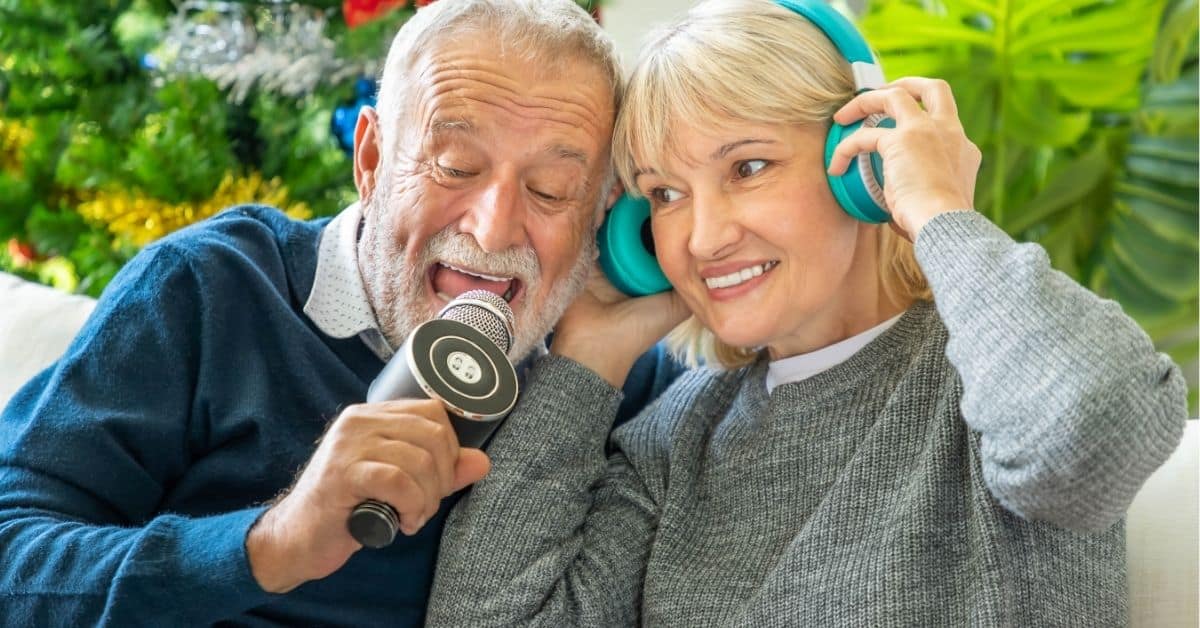
3. Use headphones or speakers for immersive sound
How you play the music affects the experience. Headphones create a personal, focused environment that can help filter out distractions. Speakers work well when you want to share the moment together, allowing for conversation or gentle dancing.
4. Watch for toe-tapping, smiles or tears
Pay attention to the small signs. A slight smile, fingers moving to the rhythm or even tears can signal that a memory has stirred. These responses often occur before words are formed, if they are formed at all. Each reaction tells you something meaningful is happening, even if your loved one can’t express it verbally.
5. Encourage gentle movement or sing-alongs
If they want to move, let them. Swaying, hand-clapping or even humming along engages different parts of the brain. Don’t worry if their singing isn’t perfect—the joy comes from participation, not performance.
6. Journal any memories or reactions for future use
Keep notes about which songs sparked the strongest responses. Document any stories or memories that surface during your listening sessions. This information becomes precious for future musical moments and helps you understand what resonates most deeply with your loved one.
Bringing Back Memories
Music truly offers something special for families walking the dementia journey together. Valentine’s Day provides a beautiful opportunity to rediscover connection through melodies that have shaped your loved one’s life story. When words become harder to find, songs often remain—waiting to bridge the gap between who they were and who they still are.
You might witness something magical happen when the right melody begins to play. That spark of recognition, the gentle humming or even tears of joy—these moments remind us that the person we love remains present, just waiting for the right key to unlock their memories. Music reaches parts of the mind that dementia struggles to touch, creating windows into experiences you thought might be lost forever.
Golden Lodge recognizes the transformative power of music in daily life for memory care residents. Their programs weave these musical moments into comprehensive care that celebrates each person’s unique history and heritage. Call Golden Lodge at (720) 605-2111 to schedule a tour and discover how music becomes an integral part of personalized memory care approaches.
FAQs
Q1. How does music therapy help people living with dementia?
Music therapy can lift mood, reduce stress and improve communication for people with dementia. Because music activates areas of the brain that often remain intact, it can unlock memories and create meaningful emotional connections even when other forms of communication become difficult.
Q2. What kind of music best supports memory recall in dementia?
Music from a person’s teens and early adulthood—roughly ages 15 to 25—is most effective. Songs tied to meaningful life moments, cultural traditions or emotional milestones, such as wedding music, can also strongly trigger memories.
Q3. How can I introduce a music program for a loved one with dementia?
Start by building a personalized playlist based on their favorite artists, songs and life events. Use simple, easy-to-operate devices and headphones for focused listening. For added support, a board-certified music therapist can help tailor the experience to your loved one’s needs.